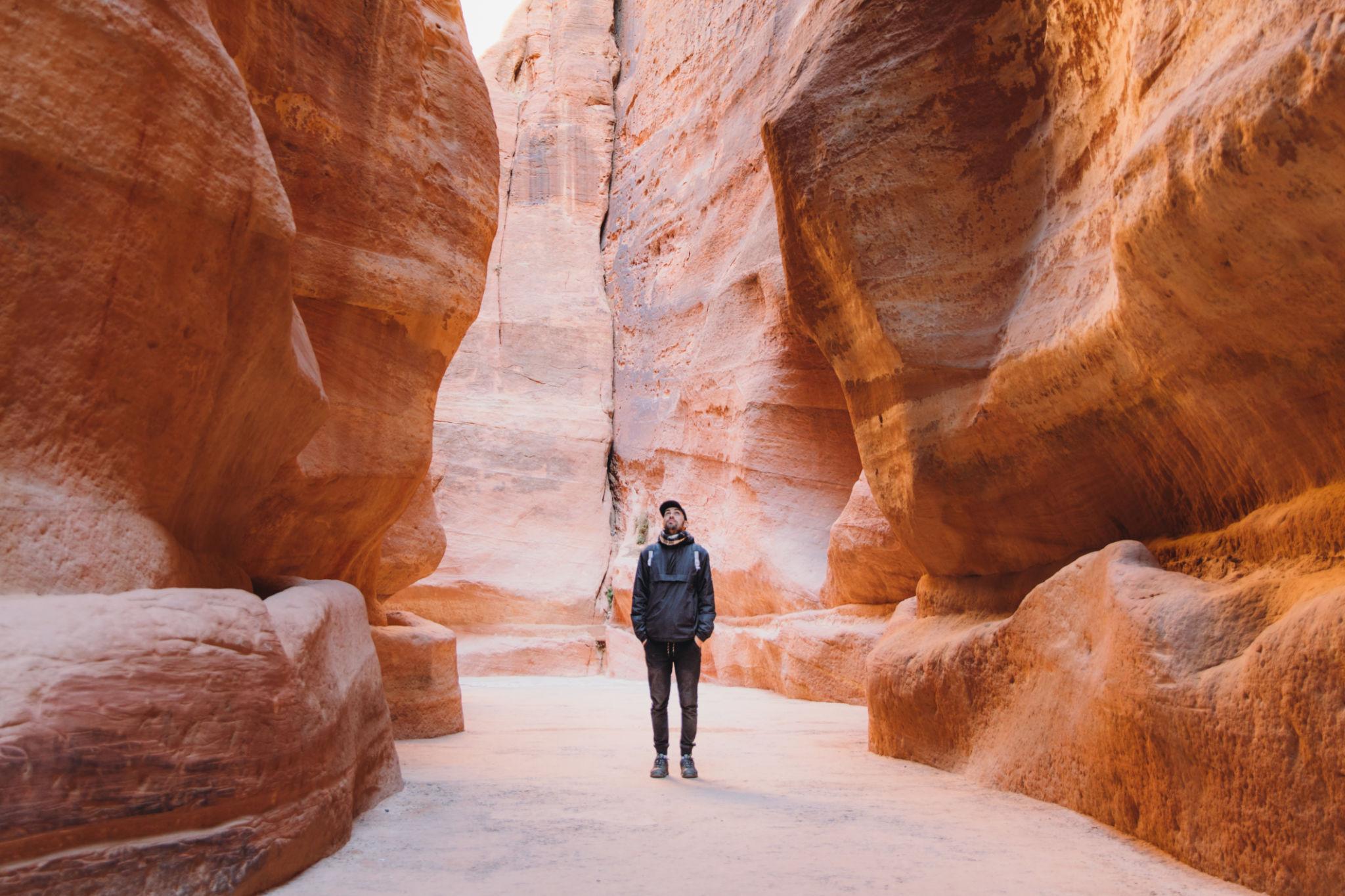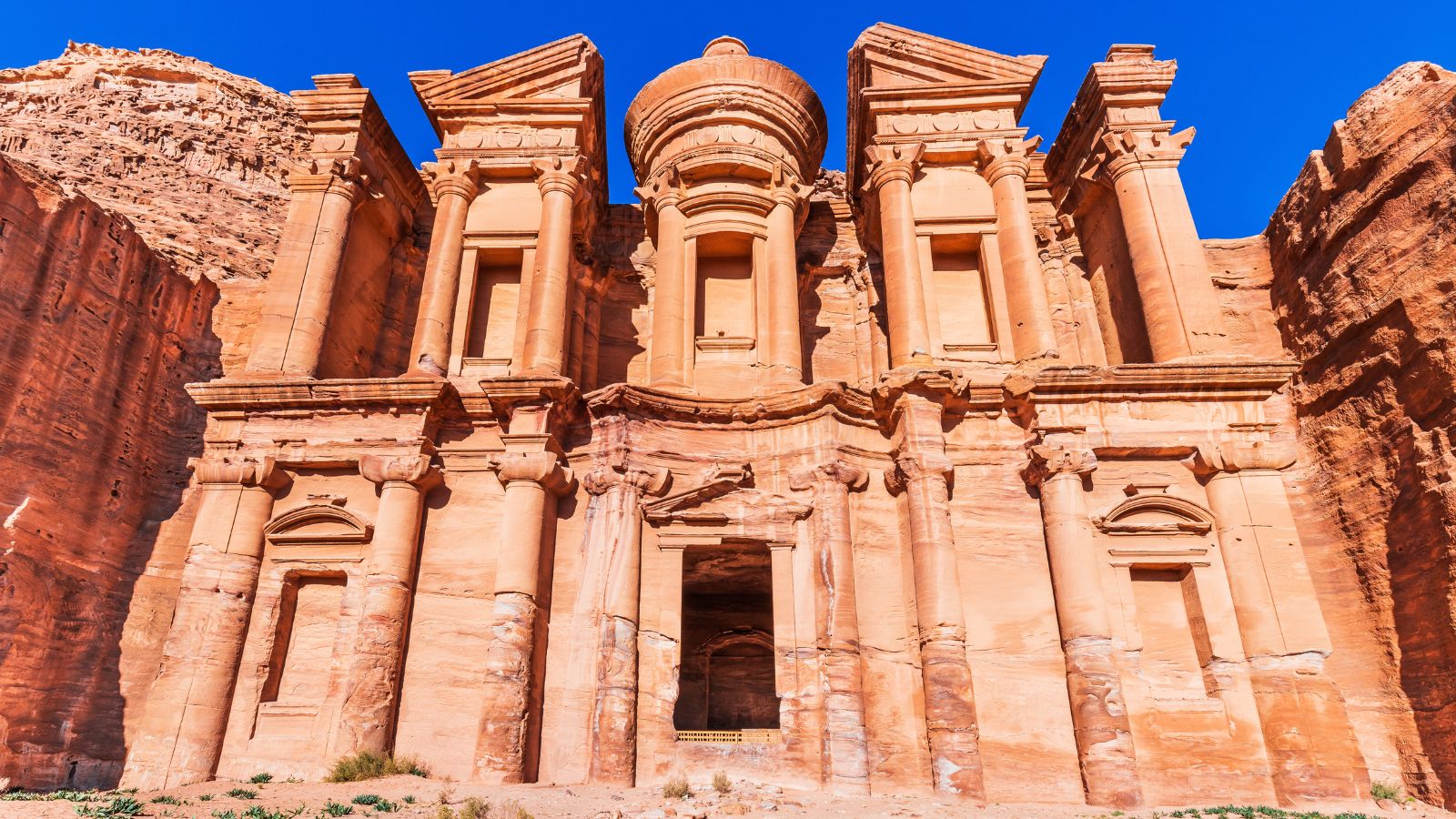
The best time to visit Petra is spring, March to May, and autumn, September to November, when you can explore this world wonder without feeling like you’re roasting under the Jordanian sun. During these months, the weather is warm, pleasant, and perfect for walking through the Siq, climbing to the Monastery, and actually enjoying the views instead of searching for shade every five minutes. Summer is for brave souls who don’t mind 40°C plus, and winter can be beautiful but a little chilly and occasionally rainy. If you want epic photos and energy left in your legs by the end of the day, spring and autumn win.
At Zoor Tours, we make sure you visit Petra at the right time, at the right hour, and in the smartest way possible. We handle the planning, the timing, and the insider tips so you avoid peak crowds, dodge the heat, and experience Petra like a pro, not like a lost tourist.
Is Petra Too Hot to Visit in Summer?
Petra can become extremely hot during the summer months, particularly in June, July, and August, when daytime temperatures may exceed 40°C (104°F). Since much of the archaeological site involves walking in open areas with limited shade, the heat can make long hikes physically demanding, especially between noon and 4 p.m.
That said, thousands of travelers still visit Petra during the summer every year. The key is to arrive as early as possible, wear lightweight clothing, bring plenty of water, and take regular breaks. If you’re traveling with children or older adults, consider visiting in spring or autumn instead for a more comfortable experience.
How Many Hours Do You Need to Explore Petra?
A typical visit to Petra takes between five and eight hours, depending on how much you want to see. Walking from the Visitor Center to the Treasury is only the beginning, as many of the site’s most impressive landmarks, including the Monastery and Royal Tombs, require additional hiking.
If your schedule allows, spending two days in Petra is highly recommended. This gives you enough time to explore at a relaxed pace, enjoy lesser-known viewpoints, take photographs without rushing, and avoid feeling exhausted by trying to fit everything into a single day.
What Month Has the Best Weather in Petra?
Many experienced travelers consider April, May, October, and early November the best months to visit Petra. During these periods, temperatures are generally mild enough for long walks while still offering sunny skies and excellent visibility for sightseeing and photography.
Spring also brings greener landscapes and occasional wildflowers around the surrounding mountains, while autumn provides pleasant conditions after the peak summer heat has passed. Both seasons strike an ideal balance between comfort and accessibility.
Is One Day Enough for Petra?
Yes, one full day is enough to experience Petra’s most iconic attractions if you start early and plan your route carefully. Visitors can comfortably reach the Treasury, continue through the ancient city, and even hike to the Monastery if they maintain a steady pace.
However, those interested in history, hiking, or photography often prefer staying for two days. An overnight visit allows you to revisit key sites during different lighting conditions and enjoy the experience without constantly watching the clock.
Should I Visit Petra in the Morning or Afternoon?
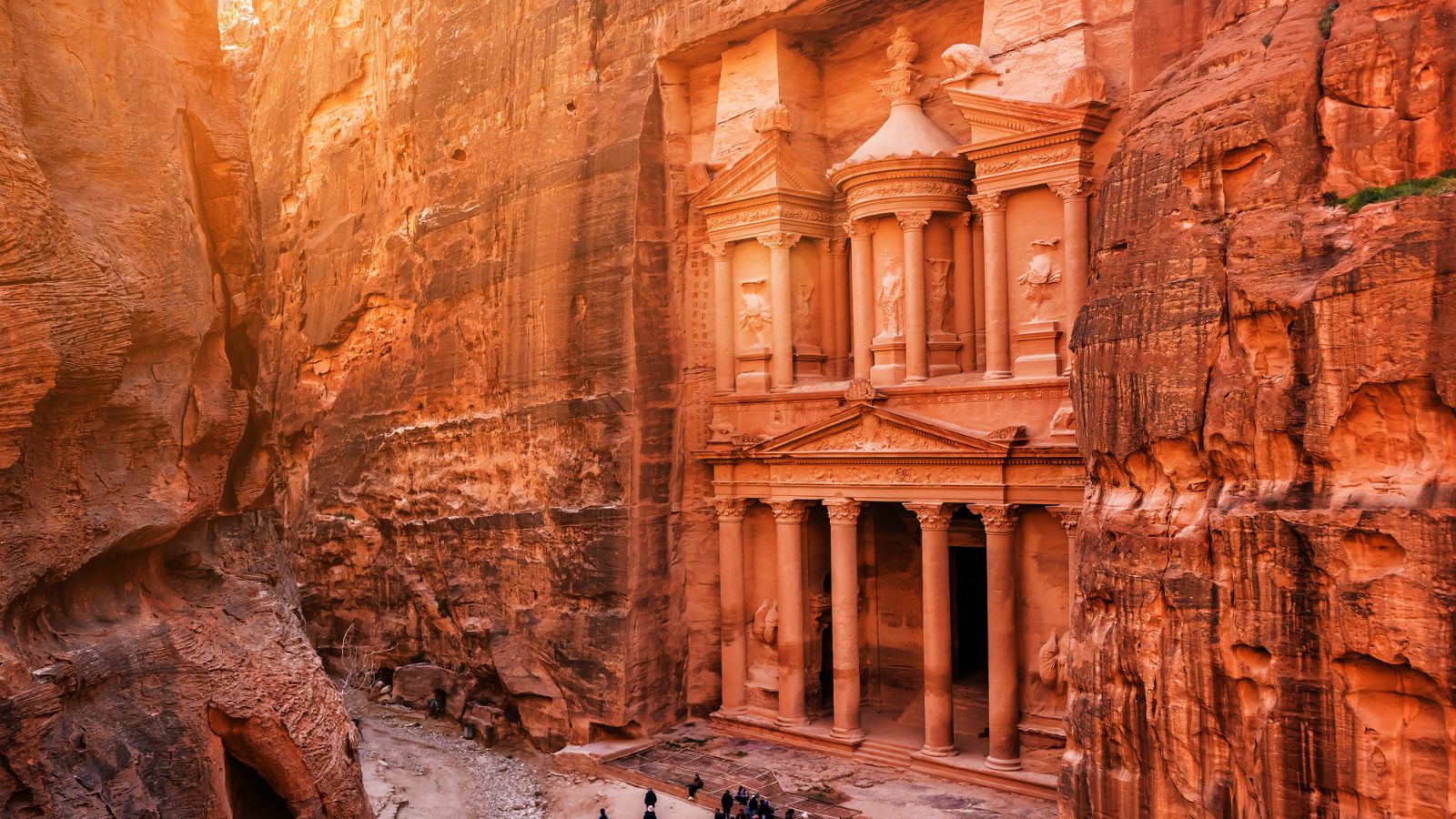
Morning is generally the best time to explore Petra because temperatures are cooler and the site is less crowded. Arriving shortly after opening gives you a chance to walk through the Siq and admire the Treasury before many tour buses arrive.
Early light also creates beautiful photography opportunities, especially around the Treasury’s sandstone façade. During hotter months, starting early can significantly improve your overall experience and reduce the risk of heat exhaustion.
Is Petra Better in Spring or Autumn?
Both spring and autumn are excellent seasons for visiting Petra, but they each offer slightly different advantages. Spring often features blooming vegetation and fresh temperatures, making hikes through the surrounding valleys especially enjoyable.
Autumn is equally attractive because the intense summer heat has subsided while daylight hours remain long enough for extended exploration. Travelers who want pleasant weather with fewer extremes generally cannot go wrong choosing either season.
What Should I Wear When Visiting Petra?
Comfort is the priority when choosing what to wear in Petra. Lightweight, breathable clothing helps manage the heat, while sturdy walking shoes or hiking boots are essential because many paths are uneven, rocky, and involve significant distances.
Don’t forget a wide-brimmed hat, sunglasses, sunscreen, and a reusable water bottle. In cooler months or during early mornings, bringing a light jacket is also a good idea, as temperatures can change considerably throughout the day.
When Is Petra Least Crowded?
Petra tends to be quieter during weekdays outside major international holidays and school vacation periods. Visiting early in the morning is one of the simplest ways to avoid crowds, regardless of the season, allowing for a more peaceful experience at landmarks like the Treasury.
Choosing shoulder-season travel dates can also improve your visit. While spring and autumn remain popular, arriving outside peak holiday weeks often results in shorter lines, less congestion on hiking trails, and better opportunities for photography.
Is Petra by Night Worth It?
For many visitors, Petra by Night is a memorable addition to the standard daytime experience. The candlelit walk through the Siq ending at the illuminated Treasury creates a completely different atmosphere from what you’ll see during regular opening hours.
It’s important to understand that Petra by Night is a cultural event rather than a full sightseeing tour. You’ll only experience a small portion of the archaeological site, so it should be viewed as a complement to, not a replacement for, a daytime visit.
Can You Visit Petra Year-Round?
Yes, Petra is open throughout the year, and every season offers a different experience. Winter can bring cooler temperatures and occasional rain, while summer provides long daylight hours but significantly hotter conditions.
For most travelers, spring and autumn remain the ideal times to visit because they combine pleasant weather with excellent hiking conditions. Regardless of when you travel, planning around the climate and arriving early will help you make the most of your visit.