Is Jordan safe to visit?
It is one of the first questions travelers ask when planning a trip to Petra, Wadi Rum, the Dead Sea, or Amman.
And in 2026, it deserves a more useful answer than simply saying yes or no.
Jordan has a well established tourism industry, and major destinations such as Petra continue to receive international visitors. At the same time, regional security conditions can change quickly. As of August 2026, several governments advise travelers to reconsider travel to Jordan or avoid specific areas because of the wider regional security situation.
That does not mean every part of Jordan presents the same level of risk.
It means you should travel informed.
Here are 12 pieces of Jordan travel safety advice every visitor should know before arriving.
1. Check Official Travel Advice Before You Fly
This should be the first step.
Not a Facebook group.
Not a Reddit comment from someone who visited six months ago.
Not a TikTok saying everything is completely fine.
Check the official travel advice issued by your own government shortly before departure.
As of August 2026, the United States lists Jordan at Level 3, Reconsider Travel. Australia also advises travelers to reconsider their need to travel because of regional security conditions. The UK advises against travel to certain parts of Jordan and provides additional regional guidance.
These advisories can change quickly.
Check again before departure even if you already researched Jordan when you originally booked the trip.
2. Understand That Jordan Is Not Its Neighbors
Looking at a map of the Middle East can make first time visitors nervous.
Jordan borders Syria, Iraq, Israel, the West Bank, and Saudi Arabia.
But geographical proximity does not mean that conditions are identical across the region.
Your experience walking through Petra, staying in a Wadi Rum camp, or eating dinner in central Amman can be very different from what international headlines might suggest.
At the same time, regional conflicts can still affect Jordan indirectly through airspace disruptions, flight changes, heightened security, or cross border incidents. Recent official travel advisories specifically warn that developments elsewhere in the region can affect Jordan with little notice.
So avoid both extremes.
Do not assume Jordan is dangerous simply because of its neighbors.
But do not ignore regional developments either.
3. Avoid Border Areas Unless You Have a Specific Reason to Be There
Most tourists have absolutely no reason to travel close to sensitive border regions.
Jordan’s main tourism route runs through places such as Amman, Jerash, Madaba, the Dead Sea, Petra, Wadi Rum, and Aqaba.
Stick to established tourism areas unless you have researched your route carefully.
Government travel advisories place additional restrictions or warnings on particular border regions, especially areas near Syria and Iraq.
This is another reason why planning a logical route matters.
A normal first time Jordan itinerary does not require you to go anywhere near the most sensitive areas.
4. Do Not Ignore Demonstrations
Jordan occasionally experiences demonstrations related to domestic or regional political events.
Most visitors will never encounter one.
If you do, do not stay to watch because it looks interesting.
Avoid demonstrations, large political gatherings, and areas where crowds are beginning to form.
Situations involving large gatherings can change quickly, and foreign travel authorities recommend avoiding protests and following instructions from local authorities.
If your driver, hotel, or local guide suggests changing a route because of a demonstration, listen to them.
You can see that neighborhood another day.
5. Keep an Eye on Your Belongings in Busy Areas
Serious crime is not the main concern for most tourists visiting Jordan, but normal travel precautions still apply.
The UK travel advice describes crime levels in Jordan as generally low while warning about pickpocketing, bag snatching, and theft from vehicles.
Be particularly aware of your belongings in crowded markets, busy streets, transportation hubs, and tourist areas.
Keep your passport and larger amounts of cash somewhere secure.
Do not leave phones, wallets, cameras, or bags visible inside a parked vehicle.
And do not carry every important document and bank card in the same wallet.
Losing one wallet should not destroy your entire trip.
6. Be Careful When Crossing Roads
One of the more realistic risks tourists encounter in Jordan has nothing to do with geopolitics.
Traffic.
Driving styles can be very different from what you are used to at home, particularly in Amman.
Do not assume a car will stop simply because you are standing at a pedestrian crossing.
Make eye contact with drivers where possible.
Cross when traffic has clearly slowed.
And be especially careful around busy roundabouts and major roads.
If you rent a car, expect driving in Amman to feel considerably more intense than driving between tourist destinations.
Outside the capital, many visitors find the roads easier to manage.
7. Use Reputable Transportation
If you are taking a taxi, make sure you understand how the fare will be calculated before the journey starts.
Ride hailing apps can make transportation within Amman easier because the destination is entered digitally and the route is visible.
For longer journeys between destinations, arrange transportation in advance whenever possible.
This becomes particularly useful on routes such as:
Amman to Petra
Petra to Wadi Rum
Wadi Rum to Aqaba
Amman to the Dead Sea
A private driver also reduces the need to navigate unfamiliar roads, search for parking, or organize multiple transfers.
Zoor Tours can arrange private transportation as part of a wider Jordan itinerary, which is particularly useful for families, couples, and travelers moving through several destinations.
8. Be Sensible When Exploring Petra and Wadi Rum
Petra and Wadi Rum feel adventurous because they are.
That also means you need to respect the environment.
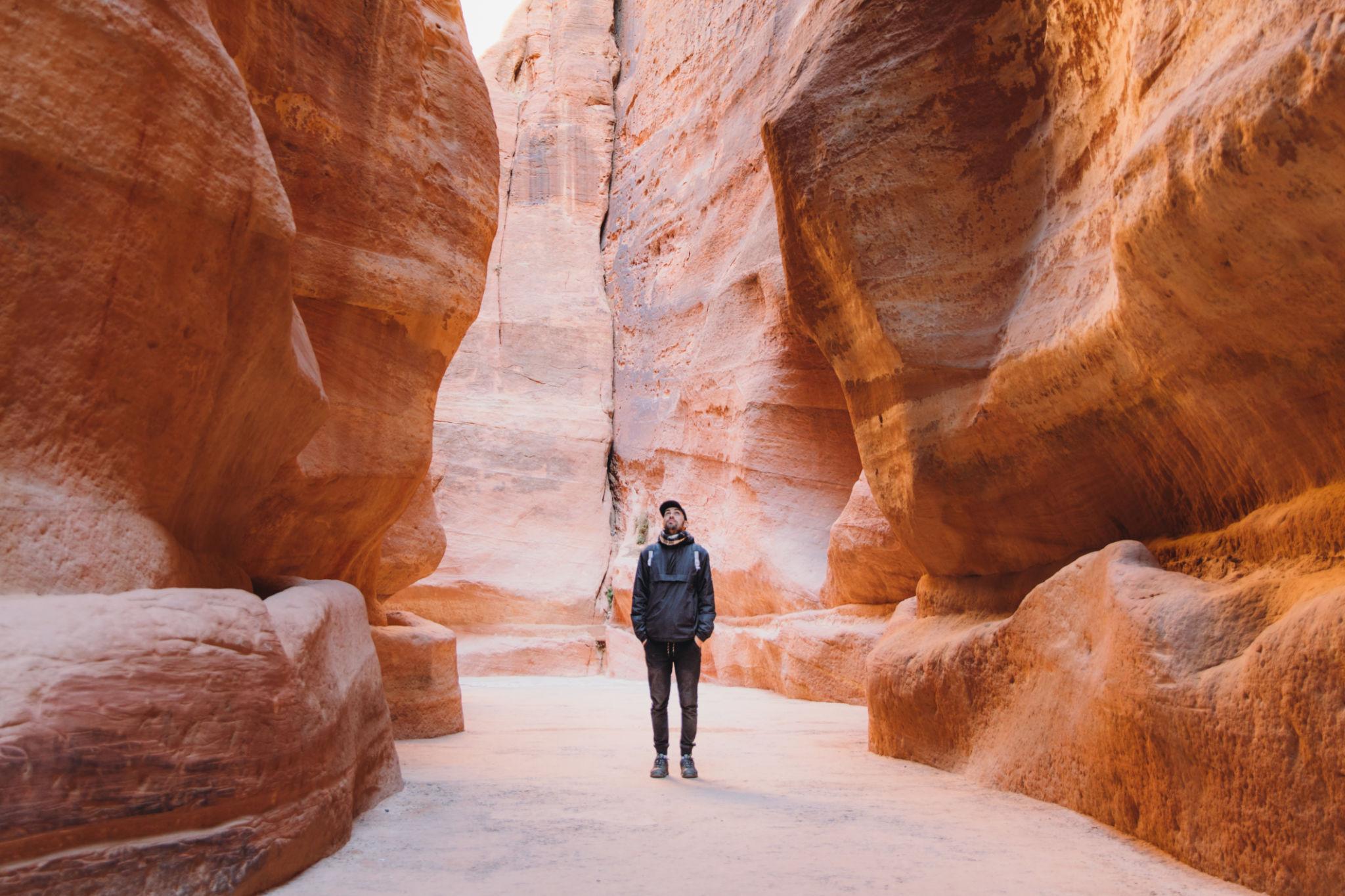
In Petra, wear proper walking shoes, carry enough water, and be realistic about how far you can hike.
Some viewpoints involve steep trails and uneven terrain.
Do not climb somewhere simply because you saw someone do it on Instagram.
The Jordan Tourism Board notes that Tourism Police operate around Petra and the main visitor areas.
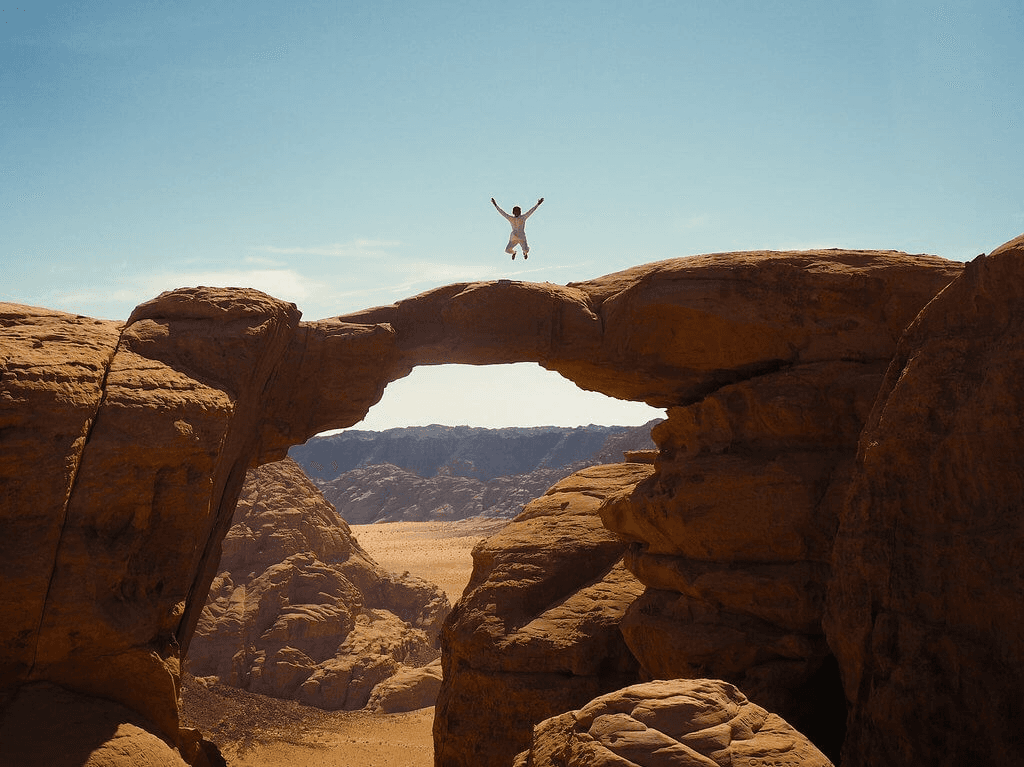
In Wadi Rum, use established camps and experienced local operators for desert excursions.
Do not wander deep into the desert alone without telling anyone where you are going.
The landscape is enormous and landmarks can begin looking remarkably similar once you are away from the main areas.
9. Protect Yourself From Heat and Dehydration
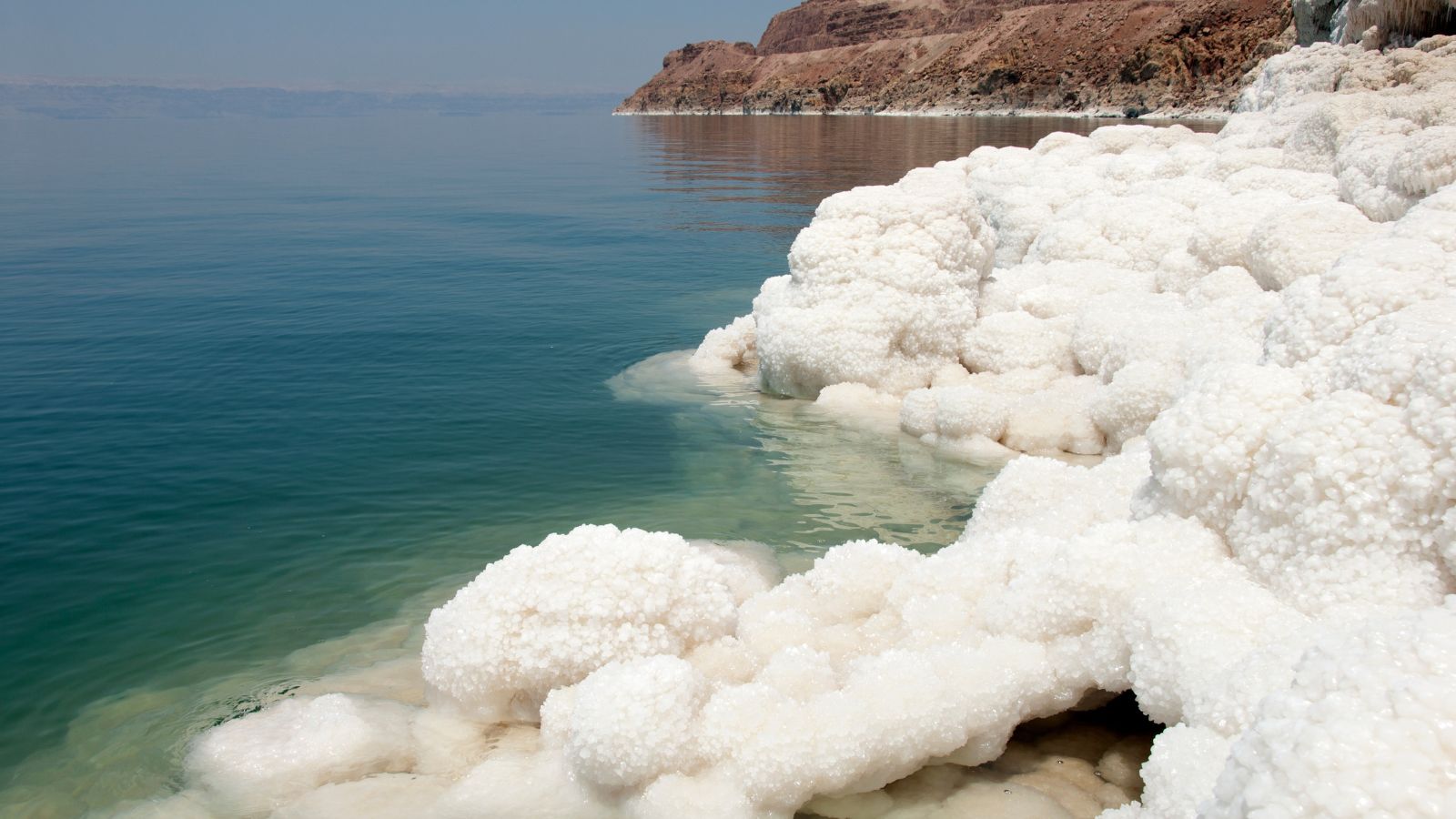
Summer temperatures can become intense, especially around Petra, Wadi Rum, Aqaba, and the Dead Sea.
Carry more water than you think you need.
Wear sunscreen.
Use a hat.
Take breaks.
And avoid turning midday into the most physically demanding part of your itinerary when temperatures are high.
Petra is particularly easy to underestimate.
You may enter thinking you are simply walking to the Treasury and back.
Then you decide to continue.
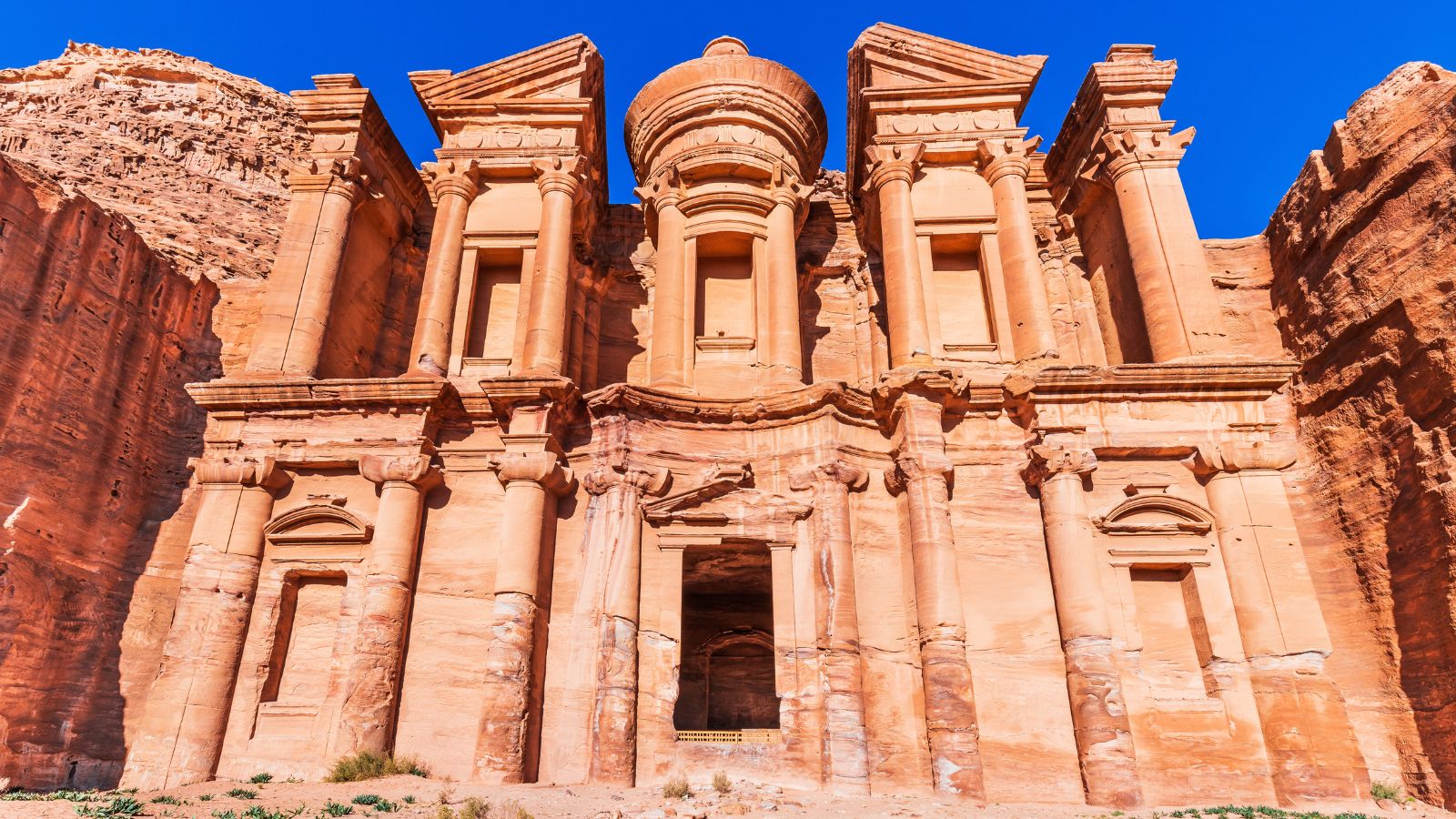
Then someone mentions the Monastery.
Then you discover another viewpoint.
Suddenly you have spent most of the day walking.
Start early whenever possible.
10. Dress With the Setting in Mind
Jordan receives tourists from around the world, particularly in major destinations and resort areas.
But it remains a relatively conservative society.
You do not need to completely change the way you dress.
Simply use some awareness.
Beachwear that feels normal at a resort in Aqaba may not be appropriate when walking through downtown Amman or entering a religious site.
Covering shoulders and knees is a useful general approach when visiting mosques, churches, traditional communities, and religious attractions.
Respecting local norms usually makes interactions easier as well.
11. Women Traveling in Jordan Should Use Normal Solo Travel Precautions
Many women travel around Jordan independently.
But solo travelers should use the same judgment they would in any unfamiliar destination.
Avoid isolated areas late at night.
Use reputable transportation.
Keep someone informed of your plans when hiking or traveling into remote areas.
Be cautious if someone becomes unusually persistent about offering transportation, accommodation, guiding, or invitations somewhere private.
Harassment can occur, and women should not feel obligated to remain polite when an interaction becomes uncomfortable.
A firm no is enough.
If you are traveling solo and prefer having transportation organized in advance, a private tour can remove a lot of uncertainty around drivers, transfers, and remote destinations.
12. Have a Plan if Regional Conditions Change
This is especially important in 2026.
Regional tensions have previously caused flight disruptions and changes to airspace access, and current government advisories continue to warn that the situation can change quickly.
That does not mean your flight will be cancelled.
It means you should be prepared.
Keep your airline notifications enabled.
Check your flight before leaving for the airport.
Have travel insurance that matches your needs and actually read the exclusions.
Keep copies of important documents.
Save your embassy or consulate information.
Know where you would stay if your departure were delayed by a day or two.
And avoid planning your entire itinerary so tightly that one delayed flight destroys every reservation after it.
Preparation is much more useful than panic.
Is Jordan Safe for Tourists in 2026?
There is no responsible way to guarantee that any destination is safe.
Jordan also needs to be considered within the wider security situation in the Middle East.
As of August 2026, official advice from several governments recommends an increased level of caution or reconsidering travel, and some parts of Jordan are subject to stronger warnings.
At the same time, tourism continues in established destinations including Petra, Wadi Rum, Amman, the Dead Sea, and Aqaba, and Jordan’s official tourism infrastructure remains active.
The useful question therefore is not simply:
Is Jordan safe?
Ask:
What does my government’s current advice say?
Where exactly am I traveling?
What is happening in the region during my travel dates?
And what precautions should I take?
Those questions produce a much better decision.
Is Petra Safe to Visit?
Petra is one of Jordan’s main tourism destinations and has dedicated tourism infrastructure, including Tourism Police around the archaeological area.
For most visitors, the more immediate practical risks involve heat, dehydration, long walking distances, steep trails, and uneven surfaces.
Follow current national travel advice before visiting and stay within established tourist routes.
Is Wadi Rum Safe?
Wadi Rum is a remote desert environment, so choosing a reputable camp and tour operator matters.
Jeep tours, hiking, climbing, and overnight stays should be arranged with experienced local providers.
Tell someone where you are going if you leave your camp independently and avoid wandering into remote desert areas alone.
Also remember that desert temperatures can change dramatically between day and night.
Is Amman Safe for Tourists?
Amman is a large capital city.
Use standard precautions with your belongings, particularly in crowded areas, and take extra care around traffic.
Avoid demonstrations and political gatherings.
For most visitors, areas such as downtown Amman, Jabal Amman, Rainbow Street, Lweibdeh, and Abdali form part of a normal tourism itinerary.
Is Jordan Safe for Solo Travelers?
Solo travel in Jordan is possible, but planning becomes more important when you are traveling alone.
Keep your phone charged.
Share major travel plans with someone.
Use reputable transportation.
Choose established accommodation.
Avoid remote hikes alone unless you understand the route.
And make sure someone knows where you are when traveling into places such as Wadi Rum.
Is Jordan Safe for Families?
Jordan is a popular destination for families because many of its major attractions can be incorporated into a private road trip.
The biggest practical considerations are often heat, walking distances, transportation, and making sure younger travelers have enough rest.
Petra in particular can become exhausting for children if you attempt to cover too much in one day.
A slower itinerary usually works better.
What Emergency Preparations Should You Make?
Before traveling, save digital copies of your passport, insurance documents, flight details, hotel reservations, and important contact numbers.
Keep some cash separately from your main wallet.
Make sure your phone can connect internationally or purchase local mobile data.
Save the details of your embassy or consulate.
Tell someone at home your general itinerary.
And check official travel advice again shortly before you leave.
These precautions take very little time and can make a major difference if something goes wrong.
Should You Cancel a Jordan Trip Because of News From the Middle East?
Do not make that decision based only on a television headline or social media post.
But do not dismiss official warnings either.
Look specifically at Jordan.
Check the travel advisory issued by your government.
Check your airline.
Look at whether the warning affects the areas you intend to visit.
Then make your decision according to your own risk tolerance, insurance coverage, and travel circumstances.
The situation can change, so information from someone who visited Jordan several months ago may no longer reflect the conditions during your dates.
Plan Your Jordan Trip With Local Support
One advantage of traveling with a local operator is having someone on the ground who understands routes, distances, transportation, and practical changes that may affect your itinerary.
Zoor Tours arranges private Jordan tours connecting destinations including Amman, Jerash, the Dead Sea, Petra, Wadi Rum, and Aqaba.
If a route needs adjusting, having your transportation and itinerary organized through one local team can make changes considerably easier than coordinating several unrelated bookings yourself.
Jordan is a country worth exploring carefully, not fearfully.
Stay informed.
Respect local conditions.
Use common sense.
Check official advice.
Then focus on the reason you came in the first place.
To experience Jordan.